
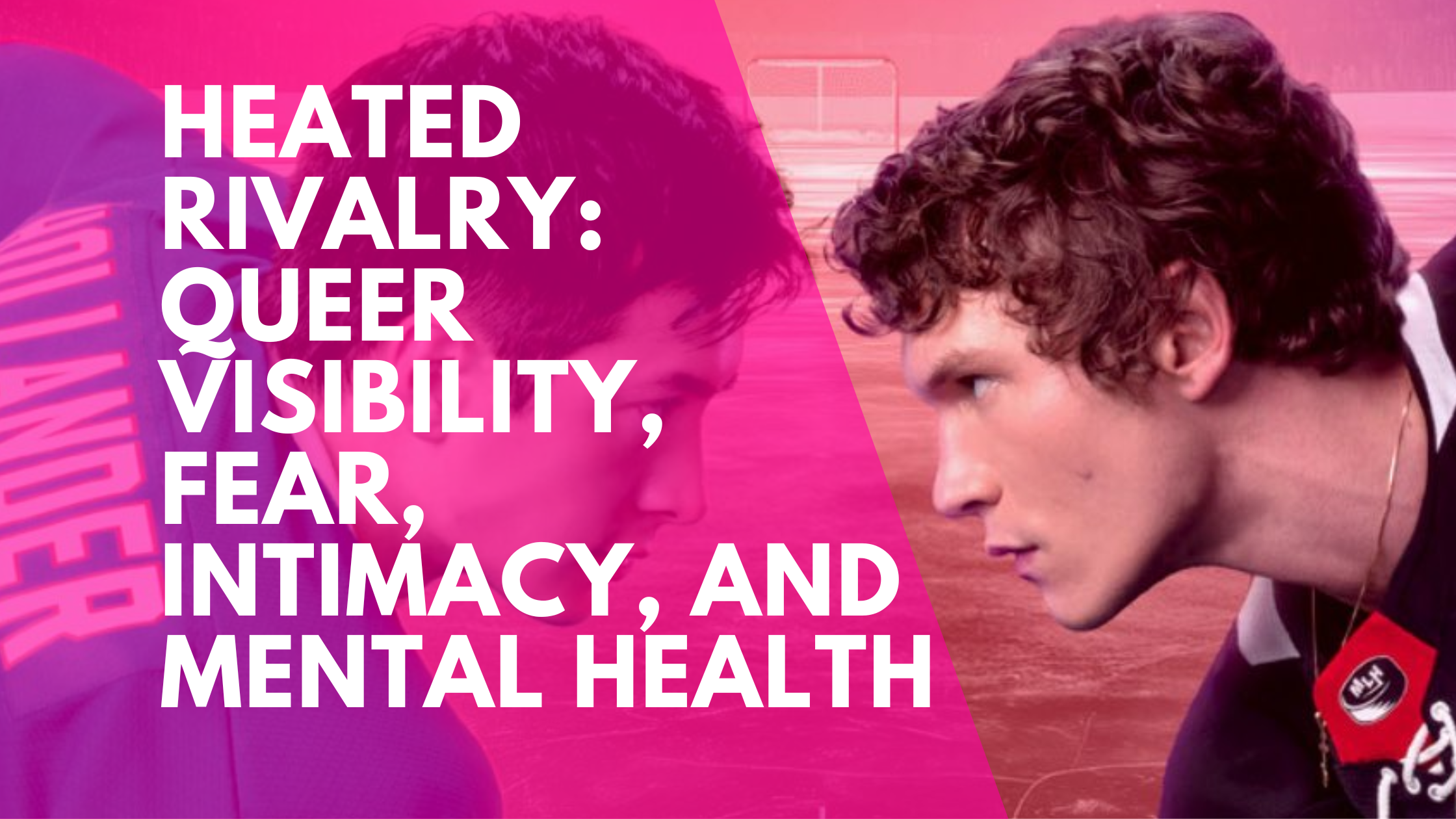
Heated Rivalry: Queer Visibility, Fear, Intimacy, and Mental Health
Key Takeaways (Quick Read)
Heated Rivalry resonates so strongly because it reflects real LGBTQ+ experiences of fear, secrecy, and the longing to be fully seen.
Queer visibility in sport and media can be deeply healing, but it can also stir up old wounds around shame and self-protection.
Therapy offers a space to unpack these reactions, build self-trust, and explore identity without needing to perform or hide.
Why Heated Rivalry Hits So Deep for LGBTQ+ Viewers
When a queer story lands in mainstream culture, it can feel electric. Heated Rivalry isn’t just a gay hockey series, it’s a mirror for many LGBTQ+ people who have learned to compartmentalise desire, ambition, and identity in order to survive.
For some viewers, the show feels validating and affirming. For others, it brings up discomfort, grief, or longing. That reaction isn’t accidental. Representation doesn’t just show us what’s possible, it also highlights what we were once denied.
At Tribe Wellness, we often see clients come to therapy after watching a show like this, not because something is “wrong,” but because something has been touched.
The Core Themes Running Through Heated Rivalry
Rather than analysing the show episode by episode here, this hub page explores the recurring psychological themes that appear throughout the series and why they matter for queer mental health.
1. Fear of Being Seen
Many LGBTQ+ people grow up learning that visibility equals risk. In elite sport especially, being seen can feel dangerous. This fear often becomes internalised, showing up later as anxiety, hyper-vigilance, or emotional withdrawal.
Therapy can help identify where this fear came from and whether it still needs to run the show.
2. Secrecy as Survival
Secrecy isn’t a flaw. For many queer people, it was a necessary strategy. But what once kept you safe can later limit intimacy, connection, and self-expression.
In counselling, we explore how secrecy protected you, and how to gently loosen its grip when it’s no longer serving you.
3. Masculinity, Performance, and Pressure
Heated Rivalry highlights the pressure to perform, succeed, and “hold it together.” For gay men and masculine-presenting queer people, this can intersect with rigid ideas of masculinity and worth.
Therapy offers a place where you don’t have to perform. You get to be human first.
4. Desire vs Safety
Loving openly can feel incompatible with staying safe. This tension often leads to compartmentalisation: one self for the world, another for intimacy.
Counselling helps integrate these parts so desire doesn’t always have to compete with self-protection.
5. Attachment, Intimacy, and Trust
When connection has historically come with risk, closeness can feel overwhelming. Many queer people oscillate between craving intimacy and pushing it away.
A therapeutic relationship can model safety, consistency, and emotional repair over time.
Why Representation Can Be Healing and Triggering at the Same Time
Seeing queer characters centred, desired, and complex can:
Affirm identity and belonging
Reduce shame
Create hope
But it can also:
Activate grief for lost time or missed experiences
Highlight unresolved fear or internalised stigma
Stir questions like “Why couldn’t I have that?”
All of these responses are valid. Therapy isn’t about pathologising them. It’s about understanding them.
How LGBTQ+ Therapy Supports This Work
LGBTQ+ affirming therapy provides:
Language for experiences that were never named
Space to explore identity without judgement
Tools to challenge internalised shame
Support in building relationships that feel safer and more authentic
You don’t need to be in crisis to benefit. Many people come to therapy because something finally feels possible.
How This Series Is Structured
This hub page will link to:
Individual episode reflections, each exploring one key psychological theme
Evergreen mental health articles on fear, shame, intimacy, and visibility
Practical tools you can apply in everyday life
You can read one post, or follow the series as it unfolds.
Ready to Explore This for Yourself?
If Heated Rivalry stirred something in you, therapy can be a place to explore that safely.
At Tribe Wellness, we offer LGBTQ+ affirming counselling via secure telehealth across Australia.
There’s no waitlist, and a free 15-minute consult lets you see if it feels like the right fit.
👉 Book your free 15-minute intro session.
Disclaimer: This blog article is for informational purposes only and should not be considered a substitute for professional medical advice, diagnosis, or treatment. Always seek the advice of your GP or qualified mental health provider with any questions you may have regarding a medical condition.
Tribe Wellness is not an emergency or crisis service. If you need immediate support or feel unsafe because you are experiencing suicidal or self-harm thoughts, please contact Suicide Call Back Service 1300 659 467, Beyondblue 1300 22 46 36 or Lifeline 13 11 14. For emergency help, call 000.